Brycoal’s Beyond Waste Project Kano.

The initiative proposes the improvement of the crop waste collection process to reduce environmental impacts and increase farmers' income through circular economy process.

Municipality

NG
Kano, Kano,

Category / Sub-Category / Topic

Environment, Climate change

Type of investment needed

Equity

Associated SDGs
The challenge

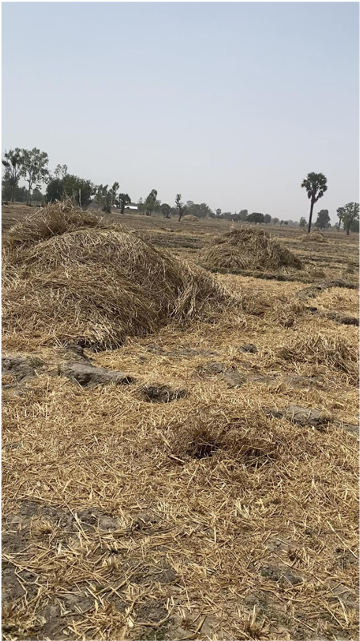
There are 15,076,892 people living in Kano. Like other densely populated cities, Kano also faces the issue of waste pollution, whereby 5,000MT of organic crop waste is generated daily in its communities and markets. These agro waste are majorly left to rot in dumpsites, gutters and sewers or burned openly.  

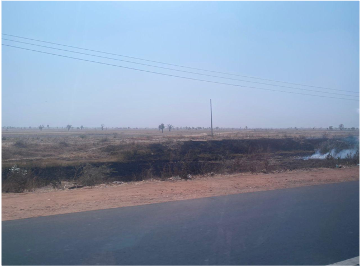
The common waste disposal habits are either open dumping or open burning and as a result, in December 2019, about 15,870 agricultural fires were detected in Nigeria, which is responsible for regional scale air pollution events and damage to the sensitive wild ecosystem. It also provides breeding sites for mosquitoes, rats and cockroaches which transmit diseases and attract predators like snakes etc.

Black carbon from open burning has also been cited by the International Panel on Climate Change as a source of rain disturbance and patterns over West Africa (IPCC AR5, 2013).


The project

This initiative proposes the introduction of an improved waste processing industry/company and market into the existing waste management system map by enhancing the waste collection process and working with farmers in rice value chains in Kano state.

The process of collecting the agro-residue generated by farmers will be made effective and efficient by using well designed rodent proof trash cans placed in strategic locations for easy collection by clusters (farmers and collectors). This collection will take place on need basis (more frequent during harvesting period). The collected agro waste will be purchased by Brycoal and transported to its facility and used to produce eco-friendly charcoal for sale.

The company plans to leverage on the existing infrastructure to market its charcoal briquettes, partnering with local charcoal merchants and distributors that already sell cooking fuel and supplies within communities.

With Brycoal’s waste-for-cash model, smallholder farmers can increase their earnings by up to 18 percent within the clusters, allowing them to use the income to acquire farming inputs. Smallholder farmers are often disconnected from opportunities to recycle their agricultural waste, so Brycoal intends to create a space within the market for farmers and collectors who typically have less access to these resources.

The cluster strategy ensures that Brycoal is able to cohesively maintain oversight over its sourcing and supply chain. Additionally, the clusters will be informally managed by leaders elected from within each group of farmers and approved by Brycoal. The clusters, along with Brycoal’s processing facility, will create jobs for up to 5 full time jobs and 10 seasonal /part-time ad-hoc staff, decrease carbon emissions from open crop waste burning and land and water pollution due to open dumping of waste in rural farming communities and protect old-growth trees (which are normally used to make charcoal briquettes). 

Know more...


Kano is one of the oldest settlements and the second largest industrial and commercial centre in Nigeria. Due to this, Kano has a healthy dense population of over 13 million people.

Most of its rural population depend on farming to earn a living. Its main economic activity is agriculture with around 127,000 hectares of land dedicated for rice production, it is the highest rice producer in Nigeria and around 85% of the farmers in Kano are the landowners. The crop takes around 5 months to be harvested. This farming activity contributes to the 5,000MT of organic crop waste generated daily in kano cities and markets.

A report by IQ Airvisual has ranked Kano as the most polluted city in Africa, with levels of air pollution reaching up to 53.4. percent, this high contribution is as a result of improper waste disposal, open air burning, cooking with traditional firewood or charcoal.

More than half of the population risk suffering from illness regarding this situation provoking social and economic losses in Kano’s population. 

This mismanagement of crop waste accounts for not only the disease vector but also other aspects that cause negative impacts on environmental impact. Disease vectors like rats and cockroaches spread illnesses like (rat) plague , murine typhus, leptospirosis, rickettsialpox and rat-bite fever, (cockroach) cholera, gastroenteritis, leprosy, dysentery, and they also attract predators eg. snakes that pose risks for humans. Additionally, when these waste accumulates water, it provides a breeding site for mosquitos, these mosquitoes transmit malaria which is serious and sometimes fatal. The negative environmental direct impact caused by repeated practice of open burning becomes costly to farmers. Successive fires destroy the organic matter that makes soil fertile, causing crop yields to decrease overtime and increasing the need for costly fertilisers. Also, the smoke and spreading flames also pose a risk to neighbouring communities, buildings and fields. Open burnings and landfills causes pollution and reduces the years of life expectancy of the population

Furthermore, nearly 72% of smallholder farmers in Nigeria live on less than $1.90 per day. Small holder farmers especially in the rural communities face different obstacles when it comes to dealing with their crop waste. They are already short on money and inadequate agricultural incentives. As a result, when dealing with their crop residue, they tend to do what they think it's cheaper and does not require long time and long processes, which in this case is open burning or open dumping of the crop residue. This is mainly because there is a lack of awareness and easy & budget friendly initiative towards crop residue management.


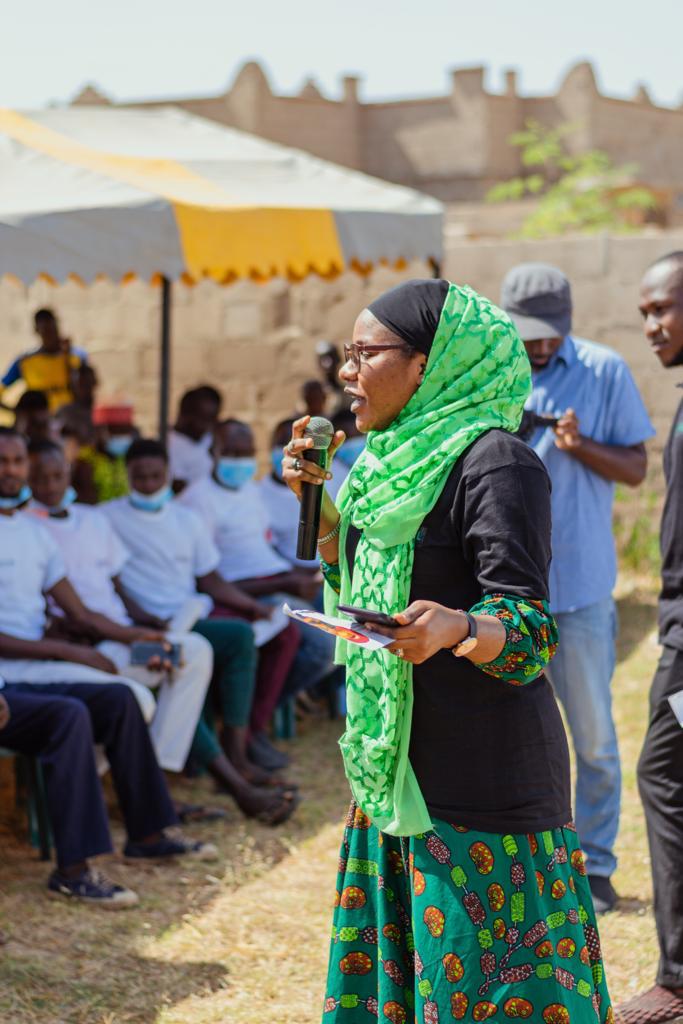
  • Awareness campaigns: The awareness campaign will be conducted in the kura community. In this campaign, the intensive lecture about agro waste management will be conducted, to support that, pamphlets and other educational tools containing vital information in the local language will be distributed, there will also be a Q&A session where the farmers, collectors and community members will get to ask questions to expand their knowledge or to clarify any doubts.
  • Building infrastructure: This building will be done in Kwanar Dawaki, a community near Kura. This will make for easy logistics of the agro waste as this industrial area is located near Kura. This building will be used in housing the production line and the production and packaging of the charcoal briquettes will be done there.
  • Procurement of machineries and installation (Charcoal briquettes production plant and bio-gas plant): By purchasing of the production line it will make it possible for brycoal to be able to produce charcoal briquettes, at capacity providing up to 1000 households and SMES with clean charcoal briquettes.
  • Procurement of Trash Cans: By procuring the trash cans, it will make for easy collection and transportation of the waste from the farms and markets to the processing plant.
  • Developing logistic for waste collection: Logistics (Truck Services) will allow for Brycoal to be able to efficiently and easily transport the agro waste from the farms and markets to the processing plant.
  • Organizing the crop waste purchase rules (rules of engagement): Setting rules of engagement will allow Brycoal to be able to set procedures and standards  essential to the conduct and effectiveness of the Project.
  • Training of collectors/farmers on proper waste collection and storage, trash cans management, weighing and pricing of agro waste: These trainings will be conducted in the kura community. In this training, the collectors/farmers will be trained on proper waste collection and storage, trash cans management which will include cleaning and emptying etc of the trash cans, how to properly weigh the agro waste and mode of payments and also cluster creation if it's necessary. This training will be conducted in the local language and there will also be a Q&A session where the farmers, collectors will get to ask questions to expand their knowledge or to clarify any doubts. After that, there will be a session whereby those that participated in the training (locals) can now apply or show interest in becoming waste collectors for Brycoal.
  • Employing technical staff : The machinery for production will be handled by experts and production will be smoother and hassle free.
  • Marketing and sales: The marketing and packaging activities will ensure that the products are packaged right and are marketed to appeals to the right target.
  • Technical maintenance: Regular maintenance /services of equipment will be done in order to identify and rectify faults.


  • 1,000 households and SMEs have increased access to clean, healthy, and affordable cooking fuel to reach.
  • Installation of trash cans in farming communities (exact number TBD).
  • Training of at least 30 collectors and farmers  
  • Generation of 5 new jobs.
  • 10 encounters in the awareness campaign. 


  • Kano State Ministry of Environment
  • Technology Incubation Centre
  • Start-up Kano
  • Kamilu Welding Services


Investment

(*): In kind/pro bonus

(**): Financing

Goods and inputs
Funds
Needed
Covered
Solicited

Awareness campaigns (*) (**)

u$s 1000.00

u$s 0.00

u$s 1000.00

Building infrastructure (*) (**)

u$s 7163.00

u$s 0.00

u$s 7163.00

Procurement of machineries and installation (Charcoal briquettes production plant and bio-gas plant) (*) (**)

u$s 100845.00

u$s 0.00

u$s 100845.00

Procurement of trash cans (*) (**)

u$s 4000.00

u$s 0.00

u$s 4000.00

Training of collectors/farmers on proper waste collection and storage, trash cans management and weighing and pricing of agro waste. (*) (**)

u$s 6000.00

u$s 0.00

u$s 6000.00

Technical maintenance (*) (**)

u$s 320.00

u$s 0.00

u$s 320.00

Services
Funds
Needed
Covered
Solicited

Awareness campaigns (*) (**)

u$s 108.00

u$s 0.00

u$s 108.00

Building infrastructure (*) (**)

u$s 3581.00

u$s 0.00

u$s 3581.00

Procurement of machineries and installation (Charcoal briquettes production plant and bio-gas plant) (*) (**)

u$s 6607.00

u$s 0.00

u$s 6607.00

Procurement of trash cans (*) (**)

u$s 1000.00

u$s 0.00

u$s 1000.00

Developing logistic for waste collection (*) (**)

u$s 8621.00

u$s 0.00

u$s 8621.00

Organizing the crop waste purchase rules (rules of engagement) (*) (**)

u$s 334.00

u$s 0.00

u$s 334.00

Training of collectors/farmers on proper waste collection and storage, trash cans management and weighing and pricing of agro waste. (*) (**)

u$s 108.00

u$s 0.00

u$s 108.00

Employing technical staff (plus salaries and wages) (*) (**)

u$s 8621.00

u$s 0.00

u$s 8621.00

Marketing and sales (*) (**)

u$s 4220.00

u$s 0.00

u$s 4220.00

Technical maintenance (*) (**)

u$s 8000.00

u$s 0.00

u$s 8000.00

Human resources
Funds
Needed
Covered
Solicited

Employing technical staff (plus salaries and wages) (*) (**)

u$s 103.00

u$s 0.00

u$s 103.00

Others
Funds
Needed
Covered
Solicited

Awareness campaigns (*) (**)

u$s 263.00

u$s 0.00

u$s 263.00

Training of collectors/farmers on proper waste collection and storage, trash cans management and weighing and pricing of agro waste. (*) (**)

u$s 263.00

u$s 0.00

u$s 263.00

Employing technical staff (plus salaries and wages) (*) (**)

u$s 2573.00

u$s 0.00

u$s 2573.00

Technical maintenance (*) (**)

u$s 5720.00

u$s 0.00

u$s 5720.00
TOTAL AMOUNTS:

u$s 169450.00

u$s 0.00

u$s 169450.00

Spread the word about this project